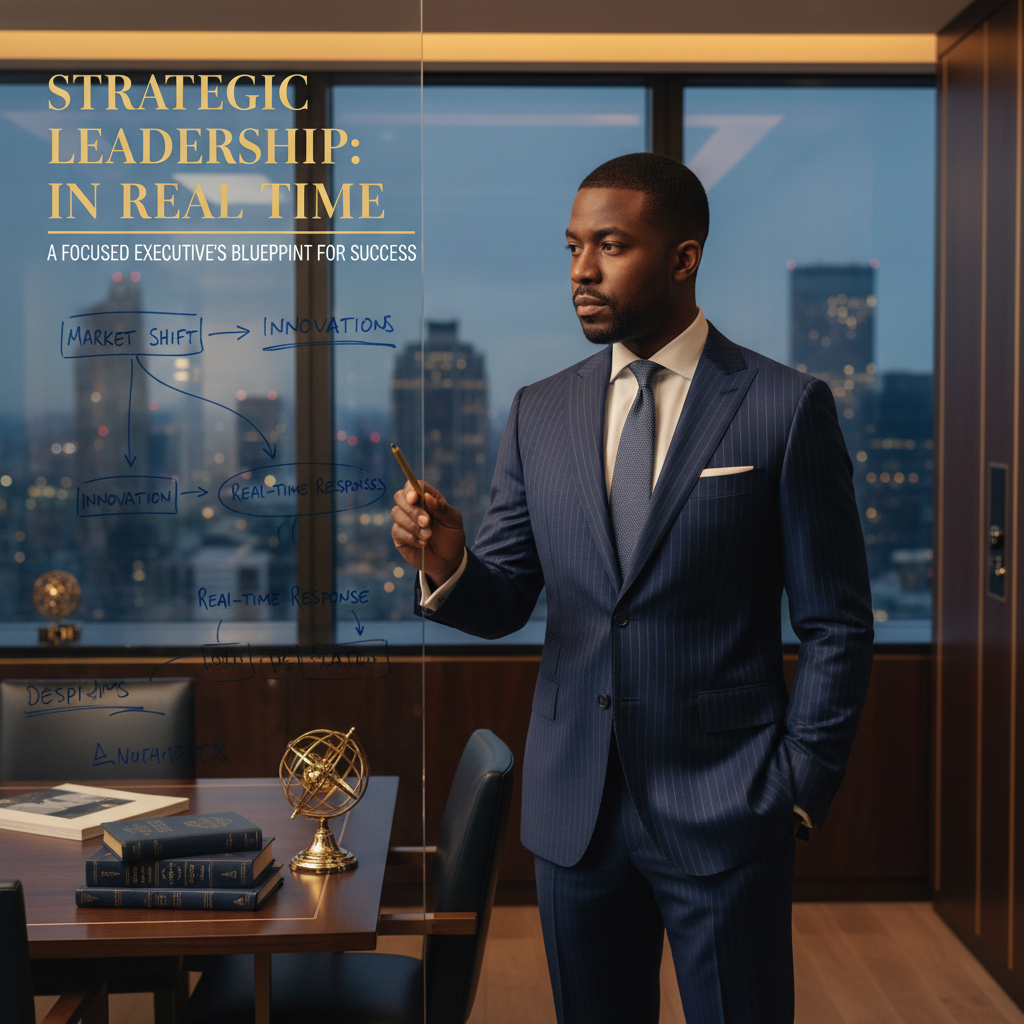
Strategic Leadership: Adapting in Real Time
Lessons from the Frontlines of Change
The Need for Agility in Leadership
As we enter the second half of 2026, the landscape for Black executives is rapidly evolving. The pandemic has reshaped the workplace, highlighting the need for agility and innovation in leadership. Traditional leadership models are becoming obsolete as leaders face ongoing disruptions from technology, cultural shifts, and global events. Black executives uniquely face these challenges but also possess distinctive advantages that can be leveraged.
Embracing Change as a Constant
To navigate this ever-changing environment, Black leaders must cultivate a mindset that embraces change. This begins with a willingness to step outside comfort zones and adopt new strategies. Keeping an ear to the ground allows leaders to perceive trends before they fully materialize, offering a competitive edge. Resources such as leadership podcasts, webinars, and industry conferences provide valuable insights, enabling quick adaptation.
Building a Diverse Learning Network
Creating a network of peers can significantly enhance strategic thinking and problem-solving capabilities. By fostering relationships with fellow Black executives, leaders can share experiences, challenges, and strategies in a safe space. This exchange of knowledge is invaluable for creating innovative solutions and driving initiatives that resonate within our communities.
The Importance of Self-Reflection
Leadership isn't solely about external adaptation; internal reflection is essential too. During this mid-year reset, executives should evaluate their leadership styles, recognizing areas for growth. Self-assessment tools and feedback from mentors can guide this process. By prioritizing personal development, Black leaders can strengthen their influence and effectiveness within their organizations.
Conclusion
As we move forward, Black executives must intention to embrace agility in their leadership styles. By leveraging change, nurturing networks, and focusing on self-growth, we can reset our leadership strategies for a more impactful second half of 2026.
Topics
Share this article