Black Boys in the Classroom: Advocating for Your Son's Education
What Black parents need to know to protect and advance their sons' academic journeys
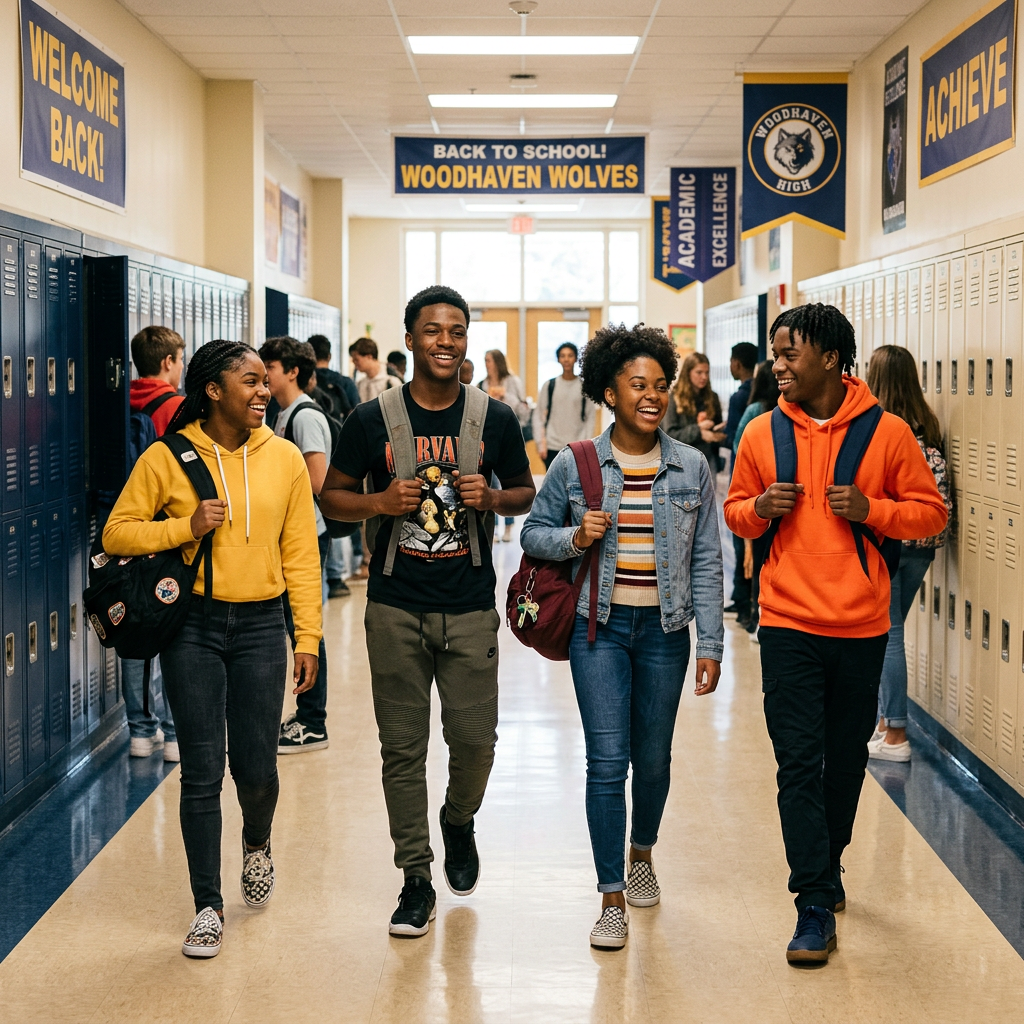
Black boys face documented, systemic challenges in American education: higher rates of suspension and expulsion, lower rates of identification for gifted programs, disproportionate placement in special education, and a persistent expectation gap among some educators.
Knowing this is not pessimism. It is the foundation of informed, effective advocacy.
Understanding the Research
The research on implicit bias in education is extensive: Black boys are more likely than their white peers to be disciplined for the same behaviors, less likely to be nominated for advanced coursework, and more likely to encounter adults in the school system who hold lower expectations for their potential.
This is not the whole story of Black boys in education. It is the challenge that intentional parents must navigate.
Advocacy Strategies That Work
Build the Teacher Relationship Early
The parents of Black boys who thrive academically are almost universally parents who have built strong, proactive relationships with their sons' teachers. Introduce yourself. Come to open houses. Email appreciation. Create a relationship that makes your son a person, not just a student.
Nurture Your Son's Intellectual Identity at Home
Black boys who see themselves as intellectually capable — who have been surrounded by the evidence of Black male excellence in every field — carry that identity into classroom environments that may challenge it.
Address the Gifted Program Gap
If your son demonstrates academic strengths, proactively request testing for gifted and talented programs. Do not wait to be recommended. Research shows that Black boys are systematically under-nominated for these programs.
Know Your Rights
Under IDEA and Section 504, your son has specific rights related to evaluation, placement, and accommodation. Know these rights before you need them.
Topics
Share this article